
Current Models
- Torcal
- New Bentayga Speed
- New Continental GTC Azure
- New Flying Spur Azure
- New Continental GT Azure
- New Flying Spur Speed
- New Continental GTC Speed
- New Continental GT Speed
- Bentayga S Black Edition
- Bentayga Extended Wheelbase
- Bentayga S
- Bentayga Hybrid
- Bentayga Speed
- Bentayga V8
- Continental GT
- Continental GT Convertible
- Continental GT V8
- Continental GT Convertible V8
- Flying Spur
Previous Models
Current Models










Previous Models










New 2026 Bentley Continental GTC Lease near Rye, NY
Leasing a Bentley isn’t the same conversation as leasing most other cars. A Continental GTC sits at the intersection of three things that matter for how the financial side actually plays out: it’s a flagship luxury convertible with strong residual value, it appeals to buyers who tend to rotate their fleet on shorter cycles than the typical owner, and the lease offer landscape on Bentley specifically tends to move based on inventory mix, allocation timing, and manufacturer incentive programs. Understanding the car is half the question. Understanding the lease structure is the other half.
For Rye, NY residents considering a new 2026 Bentley Continental GTC lease, the geography works in your favor. Miller Motorcars Bentley Greenwich is just over the Connecticut line at 342 West Putnam Avenue, roughly 15 to 20 minutes from most Rye addresses, depending on time of day. This guide walks through both sides of the equation: what the 2026 GTC actually is as a car, and how to think about leasing one effectively.
Part One: Understanding the 2026 Continental GTC
Bentley introduced the fourth-generation Continental in 2024, and the convertible (designated GTC) is the open-top variant of that platform. The 2026 model year carries forward the substantial powertrain and chassis updates introduced with this generation, refined further with another year of production maturity. This isn’t a refresh of the previous Continental. It’s a fundamentally re-engineered car that retains the Continental name and design DNA while updating nearly every mechanical system underneath.
The Ultra Performance Hybrid Powertrain
The headline change for the current Continental generation is the powertrain. The previous W12 and V8 engines have been replaced with what Bentley calls the Ultra Performance Hybrid: a 4.0L twin-turbocharged V8 paired with a 140 kW electric motor and a 25.9 kWh lithium-ion battery. The combined system produces 771 PS (approximately 760 hp) and 1,000 Nm (approximately 738 lb-ft) of torque in Continental GTC Speed configuration.
• Engine: 4.0L twin-turbo V8 + 140 kW electric motor (Ultra Performance Hybrid)
• Combined output: 771 PS / approximately 760 hp
• Combined torque: 1,000 Nm / approximately 738 lb-ft
• Transmission: 8-speed dual-clutch automatic
• Drivetrain: All-wheel drive with active rear differential
• 0-60 mph: Approximately 3.4 seconds (Continental GTC Speed)
• Top speed: 208 mph
• Pure-EV range: Up to approximately 50 km (around 31 miles) WLTP rated, with US EPA figures expected to be slightly lower
What does this actually mean for daily use? Several things. Short trips around Rye, Greenwich, or Westchester County can happen in pure electric mode, with the V8 staying silent. Highway driving on the Hutchinson, the Merritt, or I-95 northbound to Stamford pulls effortlessly on the combined output. Stop-start operation is essentially seamless. And acceleration response from a standstill is more immediate than any non-electrified Continental that came before, because the electric motor fills in torque before the turbochargers reach full boost.
The Chassis Updates
The fourth-generation Continental introduced several chassis upgrades that meaningfully change how the car drives:
• Twin-chamber, triple-volume air suspension replaces the previous dual-volume setup. Substantially improved compliance over rough pavement, combined with sharper response in spirited driving.
• Rear-wheel steering is now standard equipment. At low speeds it tightens the turning circle for tight parking situations (relevant when navigating downtown Greenwich or Rye). At higher speeds it increases stability.
• The electronic limited-slip differential on the rear axle works in concert with the all-wheel-drive system for active torque distribution.
• A 48-volt active anti-roll system manages body roll dynamically, keeping the car flat through corners without compromising ride quality in straight-line cruising.
Cabin and Technology
The cabin received a thorough redesign with the current generation. A new rotating central display alternates between a digital touchscreen and three analog dials (oil temperature, ambient temperature, and chronometer). The Naim premium audio system carries forward as an available upgrade. Multiple new interior trim combinations are available, including responsibly sourced veneers and color-blocked leather configurations. The roof itself raises or lowers in approximately 19 seconds, operable at speeds up to about 30 mph.
Available Variants in the Current Generation
Bentley offers the Continental GTC in two primary trim configurations under the current generation:
• Continental GTC Azure: Positioned as the comfort-focused flagship, with emphasis on serenity, refinement, and long-distance touring. Slightly less performance-oriented driving mode tuning.
• Continental GTC Speed: The performance-focused variant, with sharper chassis tuning, more aggressive throttle response, and standard equipment that leans into the dynamic side of the car’s character.
Both variants share the underlying powertrain and chassis architecture; the differentiation is in calibration, standard equipment, and the broader specification approach. The current Continental GTC inventory at the dealership rotates between these configurations along with various exterior and interior color and material combinations.
Part Two: How a Bentley Lease Actually Works
Leasing a Continental GTC follows the same general structure as any luxury vehicle lease, but several factors specific to Bentley and to this car deserve attention. Below are the components that determine what you actually pay each month, in order of importance:
The Capitalized Cost (Your Starting Point)
The cap cost is the negotiated selling price of the vehicle. Despite the misconception that lease prices are fixed at MSRP, the cap cost on a Continental GTC is typically negotiable, particularly toward the end of a model year or when manufacturer support is active. Reducing the cap cost lowers every subsequent calculation in the lease.
The Residual Value (How Bentley Holds Up)
The residual is the value of the car at lease end. Bentley generally has strong residual performance compared to most luxury brands, in part because the brand intentionally limits production volume to support long-term value. A higher residual percentage means you’re paying for less depreciation over the lease term, which directly reduces monthly payments. Bentley Financial Services publishes residual percentages on a model-year and term basis.
The Money Factor (Your Lease Interest Rate)
Money factor is the lease equivalent of an interest rate. Multiply the money factor by 2,400 to get an approximate APR equivalent. Bentley Financial Services typically offers competitive money factors for buyers with strong credit, and the dealership can pursue captive lease support when running specific lease promotions. Strong credit profiles, common in this market segment, tend to qualify for the most favorable money factors available at any given time.
Mileage Allowances
Standard lease mileage allowances run between 5,000 and 15,000 miles per year. Bentley Continental owners often drive lower-than-average miles, given the car’s positioning as a complement to a fleet rather than a daily driver, which means the standard allowance is typically sufficient. However, exceeding the mileage at term end carries per-mile penalties that can add up quickly, so accurate forecasting matters.
Lease Term Length
Common Bentley lease terms run 24, 36, or 39 months. Shorter terms tend to align with the buyer’s preference to rotate vehicles, particularly given how rapidly the luxury and exotic market evolves with new model introductions. Longer terms reduce monthly payments but extend exposure to potential wear-and-tear charges and tire replacement before lease end.
Why Leasing Often Makes Sense for a Continental GTC, Specifically
Whether to lease or purchase a luxury vehicle is partly a financial decision and partly a lifestyle decision. Several factors that apply specifically to a Continental GTC tend to push toward leasing for many buyers:
1. The car is often a secondary or tertiary vehicle, not a daily driver, which means lower annual mileage that fits standard lease allowances comfortably.
2. Luxury convertible owners frequently rotate through different vehicles every two to three years, matching the natural lease term.
3. The hybrid powertrain in the current Continental generation is technology that benefits from being current, and a lease lets you upgrade to the next iteration when it arrives.
4. Maintenance during a lease term typically falls under manufacturer warranty, so unexpected costs are minimized.
5. Business use considerations may apply for buyers who use the vehicle partially for business purposes, which can change the financial calculus relative to outright ownership.
Current lease offers from Bentley Financial Services on the Continental GTC are updated periodically. The most accurate place to see what’s available right now is the Bentley lease specials page, which reflects the dealership’s current programs. Specific terms can also be discussed directly through the finance center, which handles both lease structuring and traditional financing for buyers, comparing both paths.
Putting Together a Lease Conversation: What to Have Ready
Before sitting down for a lease conversation, having a few pieces of information ready makes the process smoother:
• Approximate annual mileage estimate. Be honest about how much you’ll actually drive the car. Underestimating now creates a costly bill at lease end.
• Preferred lease term. Knowing whether you want 24, 36, or 39 months helps the team structure the right offer.
• Trade-in details, if applicable. If you have a current vehicle, having the year, mileage, condition notes, and any outstanding loan or lease information ready accelerates the conversation. The online finance application also lets you begin the credit qualification process in advance.
• Specification preferences. Color combinations, options, and trim level preferences inform which specific vehicles in current or pending inventory may match what you’re looking for.
• Insurance coordination. Most lessors require comprehensive insurance with specific minimum coverage levels. Having your agent ready to issue proof of coverage on the day of delivery streamlines the close.
The Rye to Greenwich Practical Logistics
Bentley of Greenwich is located at 342 West Putnam Avenue, Greenwich, CT, which is reachable from Rye in 15 to 20 minutes via I-95 north or via the more scenic Boston Post Road route. Contact information and operating hours are available online. A few practical notes for the visit:
• Test drives can be scheduled in advance, which is the practical approach for a vehicle at this tier given allocation realities
• A virtual facility tour is available online for buyers who want to preview the showroom before visiting in person
• The Miller Motorcars facility houses other luxury brands as well, so visits often involve seeing a broader range of inventory than the Bentley showroom alone
• Delivery coordination can be arranged for Rye and broader Westchester County addresses, though most clients prefer to take delivery in person at the showroom
If you’d like to know who you’d be working with directly, the Meet Our Team page lists the sales and finance team at the dealership.
Service and Ownership Considerations
Even on a lease, the service relationship with the dealership matters. Bentley’s recommended service intervals require Bentley-authorized facility servicing to maintain warranty coverage in full. Specific to the Continental GTC, a few items are worth understanding before you sign the lease:
• Manufacturer warranty coverage typically aligns with or exceeds standard lease terms
• Hybrid system components are covered under separate warranty terms that often extend longer than the basic warranty
• Bentley’s recommended servicing on the hybrid powertrain is annually, regardless of mileage
• Tire wear on the Continental GTC tends to be moderate but should be monitored, particularly on the rear axle
• Convertible top mechanism inspection happens at scheduled service intervals and is included in routine maintenance
When service is required during the lease term, the service appointment scheduler makes coordination straightforward. The dealership also offers pick-up and delivery for service, which is particularly convenient for Rye and surrounding Westchester clients who don’t want to take the time to drop the car off in Greenwich.
Frequently Asked Questions
Q: How far is Bentley of Greenwich from Rye, NY?
A: Approximately 7 miles, with typical drive times of 15 to 20 minutes via I-95 north. The dealership is located at 342 West Putnam Avenue, Greenwich, CT.
Q: What’s the difference between leasing and financing a Continental GTC?
A: Leasing means paying for the use of the vehicle over a fixed term, with the option to return it, buy it out, or roll into a new lease at term end. Financing means purchasing the vehicle outright with a loan, building equity over time. Leasing typically produces lower monthly payments and is well-suited to buyers who rotate vehicles every 2 to 3 years.
Q: Are 2026 Continental GTC lease offers negotiable?
A: Several lease components are negotiable, including the capitalized cost (selling price) and money factor in certain conditions. Residual values are set by Bentley Financial Services and are not directly negotiable. Current promotional terms can be reviewed with the dealership’s finance team.
Q: Can I buy the car at lease end?
A: Yes. Every Bentley lease includes a defined purchase option at lease end, with the buyout price established at lease signing. This is one option among several available at term end, alongside returning the vehicle or rolling into a new lease.
Q: What insurance do I need for a leased Bentley?
A: Comprehensive coverage with specific minimum liability limits required by the lessor. Most leases require collision and comprehensive coverage with low deductibles, and gap coverage is recommended to address potential difference between vehicle value and remaining lease obligation in the event of a total loss.
Q: What’s the mileage allowance on a Continental GTC lease?
A: Standard mileage allowances range from 5,000 to 15,000 miles per year, depending on the specific lease program. Higher mileage allowances can typically be purchased upfront at favorable rates compared to per-mile penalties at lease end.
Q: When are 2026 Continental GTC lease offers most attractive?
A: Lease offer attractiveness varies based on manufacturer programs, dealership inventory levels, and timing within the model year. End-of-quarter and end-of-year periods often produce more favorable terms, though Bentley’s allocation structure means inventory availability also factors significantly into negotiation flexibility.
Putting the Pieces Together
Leasing a 2026 Bentley Continental GTC well requires understanding both halves of the equation: the car, which represents Bentley’s most thoroughly re-engineered Continental in a decade with a genuinely impressive hybrid powertrain, and the lease, which is a financial product with specific moving parts that reward informed buyers. For Rye residents, the short drive to Greenwich puts both halves within easy reach in an afternoon.
Ready to discuss a specific 2026 Continental GTC or review current lease terms? Visit Bentley lease specials for the latest offers, browse the current inventory to find a specific car, or reach the team through the contact page to schedule a visit at 342 West Putnam Avenue, Greenwich, CT.
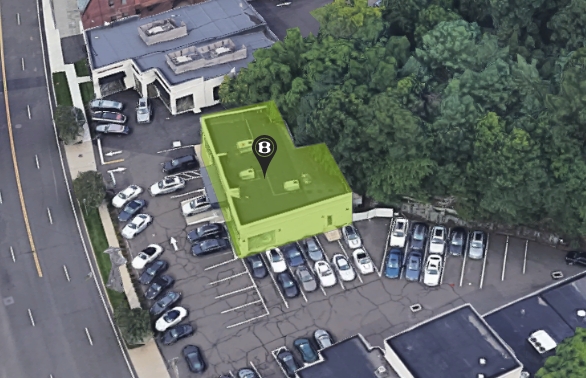
LOCATION
Bentley Greenwich
275 West Putnam Ave
Greenwich, CT 06830
HOURS
Monday - Friday:
9:00AM - 6:00PM
Saturday:
9:00AM - 4:00PM
Sunday:
Closed
* Images, prices, and options shown, including vehicle color, trim, options, pricing and other specifications are subject to availability, incentive offerings, current pricing and credit worthiness.The advertised price does not include sales tax, vehicle registration fees, other fees required by law, finance charges and any documentation charges.
We make every effort to ensure the accuracy of the information on this site, however errors do occur. Please verify all information with a sales associate by calling or e-mailing us.
If a person writes a check without sufficient funds in an associated account to cover it, the check will bounce, or be returned for insufficient funds. Each state has laws regulating how merchants may respond to bounced checks. In Connecticut, the merchant may file a civil suit and press criminal charges if the check writer does not reimburse him for a bounced check after the merchant has sent several notices regarding the matter.
Posted Notice Requirement
Merchants and other business owners who accept checks must post a notice where customers are likely to see it warning them of the potential consequences of writing bad checks. The notice must include the civil penalties that bad check writers may face, the appropriate Connecticut statute number and an advisory that the check writer may also face criminal penalties
Civil and Criminal Penalties
As of 2010, civil courts may require the check writer to reimburse the merchant for the value of the check plus pay up to $750 if he has no back account or $400 if the check is returned for insufficient funds. If the merchant chooses to press criminal charges, the bad check writer may face a fine of up to $1,000 and up to one year in jail. Writing a bad check is a felony charge if the check was for more than $1,000 and a misdemeanor if written for a lesser amount.
Required Written Notices
If a check bounces, the merchant must send the check writer a letter by certified mail at the check writer's last known address or place of business. Usually this letter is sent to the address on the writer's check. The letter must inform the writer that the check was returned ask him to reimburse the merchant for the amount of the check and inform him of the potential criminal or civil penalties if he fails to do so. If the check writers does not respond to the letter within 15 days of receipt, the merchant must send a second letter. This letter must inform the check writer that he has 30 days to reimburse the merchant before the merchant takes legal action against him. Both letters must be written in both English and Spanish.